If you've seen the sleek, futuristic Voyah Free SUV or the imposing Voyah Dreamer MPV and wondered about their origins, you're not alone. The question "Who makes Voyah cars?" is becoming more common as this brand steps onto the global stage. The direct answer is that Voyah (岚图) is a premium electric vehicle brand created and manufactured by Dongfeng Motor Corporation, one of China's "Big Four" state-owned automakers. But that's just the starting point. Understanding Voyah means digging into why a traditional automotive giant like Dongfeng launched it, what unique technology it brings, and whether it's a serious contender against Tesla, Nio, or BMW.
What You'll Find in This Guide
The Maker Behind the Brand: Dongfeng Motor's Masterplan
Dongfeng Motor isn't a newcomer. Founded in 1969, it's an industrial behemoth with decades of experience manufacturing everything from commercial trucks to joint-venture passenger cars with Nissan, Honda, and Peugeot-Citroën (Stellantis). For years, they were the backbone of China's automotive industry, but largely behind the scenes for global consumers.
The creation of Voyah in 2018 (launched publicly in 2020) was Dongfeng's unambiguous declaration: we need our own crown jewel in the electric era. It wasn't just about making another EV. It was about creating a standalone, premium brand that could leverage Dongfeng's vast manufacturing scale and supply chain expertise while operating with the agility and tech focus of a startup.
Key Point: More Than Just a Parent Company
Think of Dongfeng not just as a corporate owner, but as Voyah's industrial foundation. This gives Voyah a significant, often overlooked, advantage: instant access to billion-dollar R&D facilities, established crash-testing centers, and a global parts procurement network that a brand-new startup would spend a decade and countless capital trying to build. This depth of backing is a core part of the "who makes Voyah" story.
Voyah's headquarters and primary production are in Wuhan, China, a major hub for Dongfeng. The brand operates its own dedicated factory, emphasizing smart manufacturing with high levels of automation. This separation from Dongfeng's traditional production lines was intentional, meant to foster a distinct culture focused on software, user experience, and premium quality.
Voyah's Core Technology: The ESSA and SOA Architecture
Here's where the answer to "who makes Voyah" gets technical and interesting. Simply being a Dongfeng project isn't enough to compete. Voyah's technical identity is built on two proprietary platforms: ESSA (Electric, Smart, Secure Architecture) and SOA (Service-Oriented Architecture).
ESSA: The Hardware Backbone
ESSA is the physical skateboard platform. It's a modular, all-aluminum frame designed explicitly for electric vehicles. Its key features include:
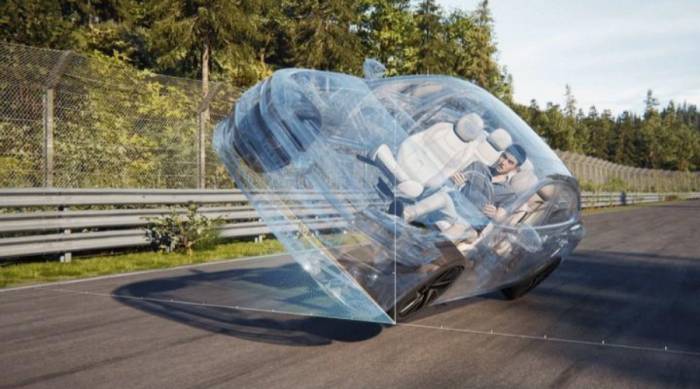
Battery Safety: They use a "3D structure" battery pack design, which they claim improves rigidity and thermal management. In an industry where battery fire concerns are a major user pain point, Voyah (and Dongfeng's engineering team) heavily promotes this safety aspect.
Performance Flexibility: ESSA supports single-motor RWD, dual-motor AWD, and even triple-motor setups. It can accommodate different battery sizes, allowing for the range variations seen across the model lineup.
Air Suspension as Standard: A notable move is making adaptive air suspension standard on higher trims. This isn't just for comfort; it actively adjusts ride height for efficiency and stability.
SOA: The Software Brain
This is Voyah's attempt to future-proof its cars. SOA is a centralized electronic architecture where vehicle functions (like steering, braking, climate control) are turned into independent services that can be accessed and recombined via software.
The promise? Truly personalized scenarios. Imagine a "Morning Commute" mode that not only sets your seat and temperature but also pre-navigates to your office, suggests a podcast based on your calendar stress level, and adjusts the regenerative braking for city traffic—all triggered automatically by geofencing and time. While many brands promise smart features, Voyah's SOA aims to make them more deeply integrated and user-programmable.
The Voyah Model Lineup: FREE, Dreamer, and Zhuiguang
As of now, Voyah has three models, each targeting a different segment of the premium market. Here’s a breakdown that moves beyond spec sheets.
| Model | Type | Key Powertrain | Claimed Range (CLTC) | Starting Price (China, approx.) | Unique Selling Point |
|---|---|---|---|---|---|
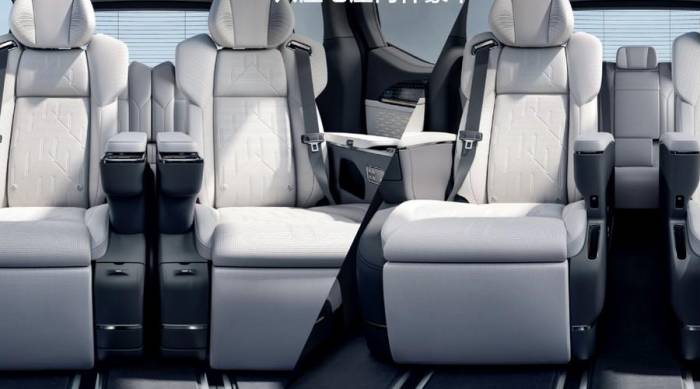
| Voyah FREE | Mid-size SUV | EREV (Range Extender) or BEV | Up to 205km (EREV) / 630km (BEV) | $45,000 | "No Range Anxiety" option with EREV; Air Suspension; Swiveling Front Seats (in some trims). |
| Voyah Dreamer | Full-size MPV | PHEV or BEV | Up to 750km (BEV) | $65,000 | Luxury-focused for business/family; Executive Lounge Seating; Dual-tone paint options. |
| Voyah Zhuiguang (Chasing Light) | Executive Sedan | BEV | Up to 730km | $48,000 | Sedan flagship; Rear-wheel steering; Clever "Sky Screen" panoramic roof. |
The Voyah FREE is their first and most important model. Offering both pure electric (BEV) and an extended-range electric (EREV) version was a strategic masterstroke for the Chinese market. The EREV version has a small gasoline engine that acts solely as a generator, never driving the wheels directly. It addresses the classic EV pain point: charging infrastructure anxiety, especially for road trips. I've spoken to owners who specifically chose the FREE EREV because they travel frequently to smaller cities where fast chargers are still sparse.
The Voyah Dreamer is a bold move into the high-margin luxury MPV space, directly taking on the likes of the Buick GL8 and Toyota Alphard. It’s massive, plush, and makes a statement. The PHEV version is particularly popular with corporate clients who value the silent electric drive for short trips but need the flexibility for longer journeys.
The Voyah Zhuiguang sedan completes the trio, showing Voyah can do sleek design beyond SUVs. Its long wheelbase and rear-wheel steering aim for a blend of spacious comfort and agile handling.
Voyah's Global Ambitions and Market Strategy
Voyah is not content with just China. They've embarked on an aggressive overseas expansion, which is a key part of Dongfeng's strategy to transform its global image. They entered Europe in 2022, starting with Norway—the classic beachhead for Chinese EVs—and have since moved into other markets like Israel, Denmark, and Finland.
Their global strategy has a distinct pattern:
Direct-to-Consumer Model: Like Nio and Xpeng, Voyah is setting up brand stores and service centers in key cities rather than relying on traditional dealerships. This gives them control over the customer experience, from test drive to delivery.
Pricing Parity (Almost): In Europe, Voyah prices the FREE competitively against the Tesla Model Y and Volkswagen ID.4, but still at a slight premium to its Chinese price, positioning it as a value-alternative in the premium segment.
Focus on Safety & Tech: Their European marketing leans heavily on their 5-star Euro NCAP safety rating (achieved in 2021) and their flexible EREV powertrain, which resonates in regions with varying charging networks.
However, the challenge is immense. Brand recognition outside of China is near zero. They're not just selling a car; they're selling the credibility of an unknown brand from a manufacturer known for trucks and budget cars. This is their biggest hill to climb.
Considering a Voyah? Weighing the Pros and Cons
Based on reviews from sources like CarNewsChina and firsthand owner reports from forums, here’s a balanced view.
The Advantages:
Solid Build Quality: That Dongfeng manufacturing heritage shows. Panel gaps are tight, interiors use decent materials (leather, alcantara, matte wood), and there's a general feeling of substance that some newer EV startups lack.
Powertrain Flexibility: The EREV option in the FREE is a genuine differentiator if you have range anxiety.
Strong Standard Equipment: Features like air suspension, extensive ADAS, and large infotainment screens are often included in mid-to-high trims, offering good value.
Safety Credentials: High scores in both C-NCAP and Euro NCAP provide peace of mind.
The Drawbacks & Uncertainties:
Software is a Work in Progress: While the SOA vision is grand, early versions of their infotainment system have been criticized for occasional lag and a less intuitive UI compared to leaders like Tesla or Li Auto. The over-the-air update promise is there, but the pace of meaningful software improvements is something to watch.
Brand Cachet: You won't get the social status of a Tesla, Mercedes, or even a Nio. You're buying the product, not the badge.
After-Sales Network (Globally): Outside of China, the service center network is thin. A repair in a smaller European country could mean a long wait for parts or a lengthy drive to a major city.
Resale Value Unknown: As a new brand, how well Voyah cars hold their value is a complete unknown, which is a financial risk for buyers.
Your Voyah Questions, Answered
So, who makes Voyah cars? It's Dongfeng Motor, but that answer only tells half the story. Voyah represents the focused, premium arm of a traditional giant, betting big on its ESSA/SOA technology, a flexible model strategy, and a direct-to-consumer global push. They're not trying to be the cheapest. They're trying to be the smart, safe, and sensible premium choice for buyers who value substance and flexibility over sheer brand hype. Whether that's enough to carve out a lasting space in the brutally competitive global EV market is the next chapter Dongfeng is writing.