If you've traveled to China or parts of Europe and seen a Volkswagen sedan that looks almost exactly like a Passat but has a different badge on the back, you've probably spotted a Magotan. I remember renting one in Shanghai a few years back, thinking it was just a Passat with a local trim name. I was wrong. The story is more interesting, and the car itself has become a phenomenon in its own right. So, what is the Volkswagen Magotan? In the simplest terms, it's the name used for the Volkswagen Passat in several key markets outside North America, most notably China. But that's just the start. It represents a specific, often more feature-rich, and strategically tailored version of Volkswagen's global midsize sedan.
What You'll Find in This Guide
What Exactly is the Volkswagen Magotan?
The name "Magotan" first appeared in 2005, applied to the Volkswagen Passat B6 in the Chinese market. Volkswagen's strategy was (and is) to use different model names for the same core vehicle in different regions. While North America kept the "Passat" name, China got "Magotan". The name itself is derived from "Magotan," a German word for a type of granite, implying strength and durability—a classic automotive naming tactic.
Here's the crucial bit most generic articles miss: the Magotan isn't just a rebadged US-spec Passat. From the B7 generation onward, the Chinese-market Magotan was often based on a longer-wheelbase version of the Passat platform, specifically designed to prioritize rear-seat space, a critical factor for the Chinese market where many owners are chauffeured. This made it distinct from the European Passat and the American Passat, which followed its own design path for a while. The current Magotan (essentially the Passat B8 for other markets) continues this trend, often launching with more advanced technology and powertrain options in China before they trickle to other regions.
Magotan vs. Passat: The Detailed Breakdown
This is where it gets confusing. The relationship is not static; it has evolved with each generation. Let's clear it up with a concrete comparison based on the recent generations.
| Market / Model Name | Based On | Key Distinguishing Features (Recent Gen) | Target Audience |
|---|---|---|---|
| China: Volkswagen Magotan | Global Passat B8 Platform (Long Wheelbase variant) | Longer wheelbase for rear legroom, often first to get new tech (e.g., matrix LED lights, latest infotainment), hybrid options, distinctive front/rear styling. | Business professionals, families, both owner-drivers and chauffeured clients. |
| Europe: Volkswagen Passat | Global Passat B8 Platform (Standard Wheelbase) | Standard wheelbase, focus on driving dynamics and efficiency, wagon (Variant) body style available, more diesel engine options. | Private buyers seeking a comfortable cruiser, families needing a wagon. |
| North America (2012-2022): Volkswagen Passat | NMS Platform (Specifically for NA) | Larger exterior dimensions than Euro model, but interior packaging prioritized trunk space, simpler interior materials, built locally for cost. | Value-conscious midsize sedan buyers. |
| North America (2023+): Volkswagen Passat | Discontinued (Sedan). Replaced by the European-spec ID.7 electric sedan. | N/A. The traditional Passat sedan is gone, marking a major divergence from markets where Magotan/Passat continues. | N/A |
The big takeaway? Since around 2011, if you see a new Magotan in China, it's more closely related to the Passat you'd see in Germany than the Passat that was sold in the United States. The US car was a different project altogether. Now, with the Passat sedan dead in the US, the Magotan's role as the enduring face of Volkswagen's midsize sedan is even more pronounced.
Key Features and Specifications
Let's talk about what the modern Magotan actually offers. I'm focusing on the current generation available in China, as it's the heart of the model line.
Space and Comfort: The Prime Directive
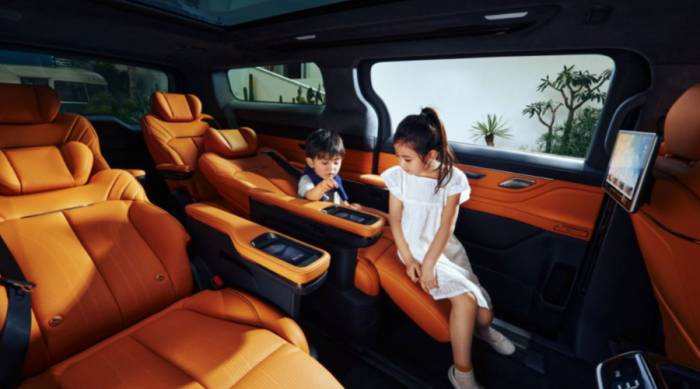
The wheelbase is around 2871mm. That's a lot of legroom. The rear seats aren't an afterthought; they're a primary feature. You'll often find features like adjustable rear seats, rear-window sunshades, and dedicated climate controls. The trunk is massive, designed to swallow luggage for airport runs. This focus on space is a direct response to user behavior in its home market.
Technology and Interior
Step inside, and you'll see a digital cockpit that sometimes feels a generation ahead of what Volkswagen offered elsewhere at the same time. A large freestanding touchscreen (9.2-inch or larger), a fully digital instrument cluster (10.25-inch or 12.3-inch), and ambient lighting are common. The infotainment usually supports local apps like Baidu CarLife. The material quality is generally very good, though I've felt some lower-door plastics that remind you it's still a volume seller. It's a comfortable, tech-forward cabin that aims to impress.
Powertrain Options
This is a key area of differentiation. The Chinese market Magotan offers a range you won't find in a single Passat elsewhere:
- TSI Engines: The workhorses. A 1.4T (150 PS) and a 2.0T in two states of tune (186 PS and 220 PS). Paired with Volkswagen's 7-speed DSG dual-clutch transmission.
- PHEV (Plug-in Hybrid): A big seller. Combines a 1.4T engine with an electric motor for a combined ~210 PS. Offers pure electric range for city commuting, a major perk in emission-restricted zones.
What’s It Like to Drive the Volkswagen Magotan?
I've driven both the 2.0T and the PHEV versions. The character is distinctly "premium Volkswagen."
The 2.0T with 220 PS is quick. The DSG shifts are crisp in Sport mode, a bit hesitant in slow traffic—a typical DSG trait. The ride is where the Magotan shines. It's tuned for comfort. You glide over broken pavement. The suspension absorbs impacts with a muted, solid thump. It's quiet, too. Wind and road noise are well isolated.
But here's my non-consensus point: it feels a bit disconnected. The steering is light and lacks feel. The long wheelbase, while great for comfort, makes it less eager to change direction than a standard European Passat. You don't buy this car for back-road thrills. You buy it to arrive relaxed. The PHEV version amplifies this. In EV mode, it's serene and cheap to run in the city. The transition to gasoline power isn't always seamless, but it's acceptable.
The driving experience is engineered for its core mission: effortless, comfortable, and quiet long-distance travel.
Should You Consider One? Buying and Owning
If you're outside China, you're likely considering a used import or are just curious. If you're in a market where it's sold new, here's the real-world advice.
Who is it perfect for? Families who need cavernous space and a smooth ride. Business users who need to ferry clients in quiet comfort. Tech enthusiasts who want the latest Volkswagen cabin gadgets.
What are the drawbacks? The driving dynamics are soft. Maintenance, while generally reliable, can be costly for high-end models or the PHEV system outside of warranty. Resale value can be strong, but it's heavily dependent on the model year and powertrain.
A specific buying tip most overlook: If you're looking at a used Magotan, pay extra attention to the DSG transmission service history. A poorly maintained DSG is a costly repair. And for PHEV models, check the battery health report if possible—just like you would with any hybrid or electric car. Don't assume it's "just a Passat." The complexity is higher.