Let's cut to the chase. You're probably looking at the Toyota Corolla Hatchback because you need a car that just works. It needs to be affordable, sip fuel, not break down, and maybe carry a bike or a piece of furniture once in a while. The good news? The Corolla Hatchback nails these fundamentals. After years of seeing friends buy them, renting a few, and talking to mechanics, I'm convinced it's one of the smartest, most logical choices in the compact car segment. But it's not perfect for everyone, and there are some nuances that most reviews gloss over.
What's Inside This Review
The Hatchback's Real-World Practicality
This is the main event. You're choosing a hatchback over a sedan for the utility. So how useful is it really?
The official specs say about 18 cubic feet of cargo space behind the rear seats. That's decent, but numbers don't tell the whole story. The opening is wide and square, which is more important than you think. I helped a friend move a flat-pack bookshelf that simply wouldn't have fit through the trunk opening of a Corolla sedan. With the 60/40 split rear seats folded, you get a long, nearly flat load floor. It's perfect for a weekend trip to IKEA or hauling your gear to a campsite.
Where the Space Works (And Where It Doesn't)
The Good: The hatch design swallows bulky items with ease. The rear seats fold quickly with simple levers in the trunk area. There are also decent-sized door pockets and a center console that can hold a large phone.
The Compromise: Rear seat legroom. If you're over six feet tall, the driver's seat position will leave very little knee room for the passenger behind you. This is a car best suited for two adults up front and occasional passengers or kids in the back. For a small family with one child, it's workable. For two teenagers regularly in the back? You'll start hearing complaints on longer drives.
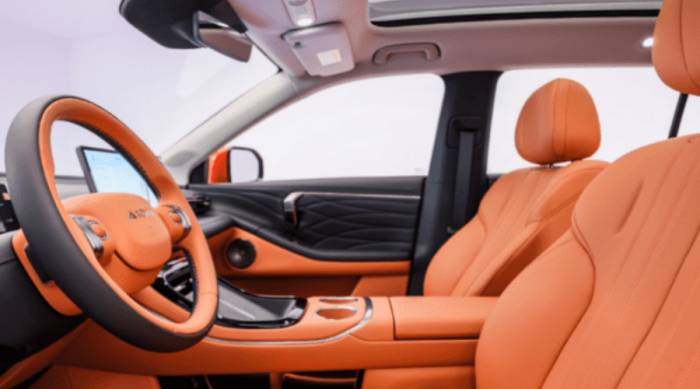
The interior materials are a step above what Toyota used to offer. Hard plastics are in the right places (lower doors, dash bottom), but where you touch—the steering wheel, armrests, shift knob—it feels solid. A common mistake buyers make is opting for the black-on-black interior without considering the SE or XSE trim's available sport fabric seats. They're more supportive and breathable than the standard cloth, especially on longer drives.
Fuel Economy & The Reliability Promise
This is the Corolla's bread and butter. The current generation offers two engine choices, and your decision here matters more than any option box you tick.
| Engine | Horsepower | EPA Est. MPG (Combined) | Real-World Note |
|---|---|---|---|
| 2.0L 4-Cylinder | 169 hp | 33-35 mpg | The sweet spot. Adequate power, excellent real-world efficiency. Most people should get this. |
| 2.0L Hybrid | 196 hp (combined) | 44-47 mpg | Fantastic for city driving. Smoother and quieter in stop-and-go traffic. A no-brainer for urban commuters. |
The hybrid isn't just about saving money on gas (though you will). The way it seamlessly switches between electric and gas in city traffic reduces the overall engine drone and makes low-speed driving calmer. It's a more refined experience.
Now, reliability. Toyota's reputation is earned, but it's not magic. The Corolla's strength is its simplicity and proven design. The 2.0L engine and CVT transmission have been in use for years across the Toyota lineup with minimal major issues. Data from sources like Consumer Reports and long-term owner forums consistently show low repair rates. The hybrid system is also a known quantity, derived from technology used in millions of Priuses.
Here's the nuanced view most miss: While catastrophic failures are rare, pay attention to the small stuff if you're buying used. Listen for faint rattles in the dashboard on test drives—a common minor gripe. Check the service history for CVT fluid changes. Toyota says it's "lifetime," but many independent mechanics (and I agree) recommend a drain-and-fill every 60,000-90,000 miles for longevity. It's a cheap insurance policy.
Safety Tech You'll Actually Use
Toyota Safety Sense (TSS) is standard. This isn't a gimmick; it's genuinely useful.
- Full-Speed Dynamic Radar Cruise Control: This is the game-changer for highway commuting. It works all the way down to a stop and resumes automatically. It reduces driver fatigue significantly on long, boring stretches of interstate.
- Lane Departure Alert with Steering Assist: It gives a gentle nudge if you start drifting. It's not a self-driving system, but it's a helpful reminder on monotonous roads.
- Automatic High Beams & Pre-Collision System: The pre-collision system has proven effective in IIHS testing. It's the feature you hope never to use, but it's there.
The Corolla Hatchback consistently earns top marks from the Insurance Institute for Highway Safety (IIHS), including the Top Safety Pick+ award. This should be a major factor in your decision, especially if safety is a priority.
What It's Like to Drive Every Day
Let's be honest, the Corolla Hatchback isn't a sports car. But that's okay, because most people don't need one.
The steering is light and precise, making it effortless to park and maneuver in the city. The ride is tuned for comfort—it soaks up potholes and road imperfections well. You and your passengers will arrive less shaken up than in some rivals with sportier pretensions.
Where some reviewers get it wrong is calling it "boring." I'd call it "predictable" and "competent." The chassis is stable, and the 2.0L engine, while not fast, has enough power for safe merging and passing. The CVT is programmed to mimic a traditional automatic at low speeds, which reduces the "rubber band" feeling older CVTs were known for.
The sportier SE and XSE trims get a slightly stiffer suspension and larger wheels. This sharpens the handling a touch but also makes the ride firmer. Think carefully about your local roads. If they're rough, the base LE trim's smaller wheels and softer tune might be the more comfortable, and thus smarter, daily choice.
Corolla Hatchback vs. The Competition
You're likely also looking at the Honda Civic Hatchback, Mazda3 Hatchback, and Hyundai Elantra GT/N Line.
The Quick Decision Guide
Choose the Corolla Hatchback if: Your top priorities are fuel economy (especially the hybrid), low long-term cost of ownership, and a proven reliability track record. You value a comfortable ride and standard safety tech above all else.
Look at the Honda Civic Hatchback if: You want a bit more rear seat space and a slightly more engaging drive. Its interior is also very practical.
Consider the Mazda3 Hatchback if: Interior quality and driving refinement are your absolute top priorities. It feels more upscale inside and handles beautifully, but rear visibility is worse and it can be pricier.
The Hyundai Elantra N Line/Kona is a wildcard: It often offers more features for the money and a great warranty. It's worth a test drive, but long-term resale value and brand perception still tilt towards Toyota for many buyers.
Your Questions, Answered
So, who is the Toyota Corolla Hatchback for? It's for the pragmatic buyer. The person who sees a car as a tool—a very good, reliable, efficient, and safe tool. It won't set your pulse racing, but it will start every morning, cost very little to run, and carry your life's necessities without drama. In a world of overly complex machines, that simplicity and competence is its own kind of brilliance.