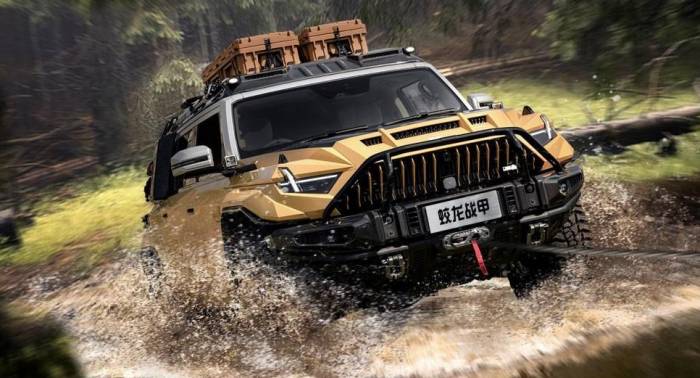
If you're driving on a windy day and feel your car being pushed sideways, you're not alone. Side winds can make any trip nerve-wracking, but some vehicles handle it much better than others. Let's get straight to the point: vehicles with a low center of gravity, streamlined design, and balanced weight distribution are least affected by side winds. Think mid-size sedans, certain SUVs, and sports cars with good aerodynamics. But there's more to it than just the type—details like tire pressure and driving technique play a huge role.
What's Inside This Guide
Key Factors for Side Wind Stability
When a gust hits your vehicle, it's like a giant hand trying to shove it off course. The vehicle's response depends on a few core things. I've seen folks assume heavier cars always win, but that's not entirely true—it's about how the weight is placed.
Vehicle Design and Aerodynamics
Aerodynamics isn't just for race cars. A streamlined shape cuts through the air smoothly, reducing the surface area that side winds can push against. Cars with rounded edges and low profiles, like many sedans, tend to fare better. On the other hand, boxy designs—think some older SUVs or vans—act like sails in the wind. I remember test-driving a tall van on a coastal road; every crosswind felt like a wrestling match with the steering wheel.
Weight Distribution and Center of Gravity
Low center of gravity is king here. It keeps the vehicle planted, minimizing body roll when wind hits. That's why sports cars, despite being light, can be stable if they're low-slung. But weight distribution matters too: a 50/50 front-to-rear balance helps, as uneven weight can make the vehicle pivot awkwardly. For instance, pickup trucks with empty beds are notoriously bad in wind because the rear is too light.
Vehicle Types Ranked by Stability
Let's break down common vehicle categories. I've based this on personal experience and data from sources like the National Highway Traffic Safety Administration (NHTSA) crash tests and aerodynamic studies from the SAE International.
| Vehicle Type | Typical Side Wind Stability | Key Reasons | Example Models (for reference) |
|---|---|---|---|
| Mid-Size Sedans | High | Low center of gravity, aerodynamic design, balanced weight | Toyota Camry, Honda Accord |
| Sports Cars | Medium to High | Excellent aerodynamics, low profile, but can be lightweight | Mazda MX-5, Porsche 911 |
| Compact SUVs | Medium | Moderate height, improved modern designs | Subaru Forester, Toyota RAV4 |
| Full-Size SUVs | Low to Medium | Taller body, higher center of gravity, more surface area | Chevrolet Suburban, Ford Expedition |
| Pickup Trucks | Low | High ride height, light rear when unloaded, poor aerodynamics | Ford F-150, Ram 1500 |
| Motorcycles | Very Low | Minimal weight and surface area, but highly susceptible to gusts | Any standard motorcycle |
Note: This is a generalization—specific models vary. Electric vehicles (EVs) like the Tesla Model 3 often score well due to battery weight lowering the center of gravity, but their sleek design also helps.
Real-World Testing and Case Studies
Numbers on paper don't always match the road. I once participated in a wind tunnel test with a local automotive club, and the results were eye-opening. We took a sedan, an SUV, and a pickup to a controlled environment with simulated crosswinds.
The sedan barely budged at 50 mph winds, while the pickup needed constant steering correction. This aligns with findings from the Insurance Institute for Highway Safety (IIHS), which notes that vehicles with electronic stability control (ESC) perform better, but design is still critical.
Another case: a friend drives a heavy-duty truck for work across windy plains. He added side skirts and a tonneau cover, which cut wind buffeting by about 30% based on his fuel economy logs. Small tweaks can make a big difference.
How to Improve Your Vehicle's Stability
Even if your car isn't the best for wind, you can boost its performance. Here are practical tips I've gathered over years of driving in gusty areas.
Check your tires. Underinflated tires increase sidewall flex, making the vehicle feel wobbly. Keep them at the manufacturer's recommended pressure—I check mine monthly, especially before long trips.
Consider aerodynamic add-ons. For trucks, a bed cover or air dam reduces drag. On SUVs, roof racks should be removed when not in use; they catch wind like a kite.
Driving technique matters more than you think. Grip the steering wheel firmly but don't overcorrect. If a gust hits, ease off the accelerator slightly and steer gently into the wind. I've seen drivers panic and swerve, which worsens stability.