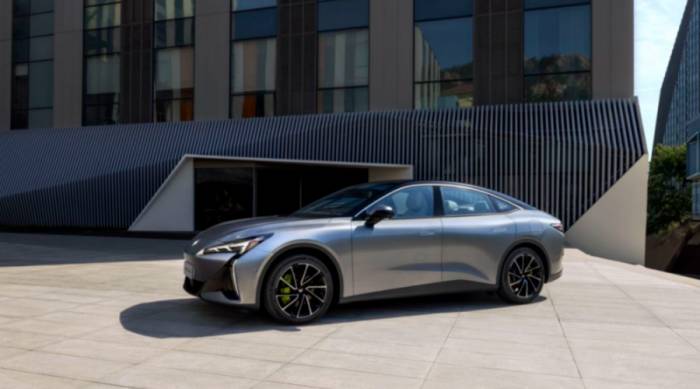
Let's be honest. Shopping for a compact sedan often feels like a compromise. You want something efficient and reliable, sure, but you also don't want your daily commute to feel like a chore. That's where the Toyota Corolla SE slots in. It’s not trying to be a hot hatch or a luxury coupe. Instead, it asks a simpler, more compelling question: what if your sensible, fuel-sipping daily driver had a bit of a personality?
I've driven every iteration of the Corolla for the past decade, from rental-spec L models to the hybrid versions. The SE trim consistently stands out as the sweet spot. It’s the one I recommend to friends who need a car, not an appliance. This isn't just a review of specs from a brochure. It's a look at what living with the Corolla SE is actually like, where it shines, where it stumbles, and whether it deserves a spot in your driveway.
What’s Inside This Deep Dive?
What Makes the Corolla SE Different?
Walk around a base Corolla LE and then an SE. The difference is immediate. Toyota isn't just slapping on some badges here. The SE package is a cohesive set of upgrades aimed at the driver who glances at sportier options like the Civic Si or Mazda3 but gets cold feet about cost or complexity.
The exterior gets 18-inch alloy wheels (a significant jump from the LE's 16-inchers), a more aggressive front bumper with sport mesh, and a subtle rear spoiler. Inside, you trade cloth for sport fabric seats with contrast stitching and a leather-wrapped steering wheel and shift knob. The driving position feels lower and more planted.
But the real magic is under the skin. The SE gets a sport-tuned suspension. This isn't marketing fluff. The springs and dampers are firmer, and the anti-roll bars are thicker. The steering is also tuned for a quicker, more direct response. It transforms the car's character from compliant and soft to alert and engaging.
How Does the Corolla SE Drive?
You start it up. The 2.0-liter four-cylinder isn't going to win drag races, producing 169 horsepower. But here's the non-consensus part: that's plenty for this car. The genius is in the pairing. This engine loves to rev smoothly and pairs with a brilliant Dynamic-Shift Continuously Variable Transmission (CVT) that has a physical first gear.
That first gear mimics a traditional automatic launch, eliminating the rubber-band sensation CVTs are infamous for. Once you're moving, it's a CVT, but a very good one. It simulates shifts under acceleration, and you can use paddle shifters to cycle through 10 pre-set ratios. It feels surprisingly natural.
Push it on a backroad. The stiffer suspension keeps body roll in check. The steering, while not full of feedback, is precise and weights up nicely. The car feels eager to change direction. It's not a track weapon, but it makes a winding on-ramp or a country road genuinely enjoyable. The brakes are confident.
The trade-off? You do hear more road noise from those 18-inch tires, especially on coarse pavement. It's the car's most noticeable concession to its sportier mission.
Engine and Transmission Specs at a Glance
| Component | Specification | Real-World Implication |
|---|---|---|
| Engine | 2.0L Dynamic Force 4-Cylinder | Smooth, high-revving character. Adequate power for merging and passing. |
| Horsepower / Torque | 169 hp @ 6600 rpm / 151 lb-ft @ 4400 rpm | Power is at the top end. You need to rev it to access the best performance. |
| Transmission | Dynamic-Shift CVT with Physical 1st Gear & Paddle Shifters | Eliminates typical CVT drone. Paddles add engagement for spirited driving. |
| 0-60 mph Estimate | 7.9 seconds (varies by source) | Respectable for the class. Feels quicker than numbers suggest due to tuning. |
Tech & Interior: A Daily Usability Breakdown
Slide inside. The SE's cabin is a lesson in functional design. The 8-inch touchscreen (upgradable to a larger unit) is placed high on the dash. Apple CarPlay and Android Auto are standard and connect wirelessly—a huge quality-of-life feature. The physical knobs for volume and tuning remain, thank goodness.
The sport seats are a highlight. They offer more side bolstering than the LE's flat benches, holding you in place during cornering. The material is a durable, grippy fabric that doesn't get too hot or cold. Rear seat space is adequate for two adults on a short trip, but it's a compact sedan—legroom is at a premium if the front seats are far back.
Toyota Safety Sense 3.0 is standard across the board, and it's one of the best systems. The pre-collision system with pedestrian detection, lane departure alert with steering assist, and full-speed adaptive cruise control work seamlessly. The adaptive cruise, in particular, is fantastic for highway slogs, making the car feel more premium than its price suggests.
Cargo space is 13.1 cubic feet. It's a useful trunk shape that easily swallows groceries, a couple of carry-on suitcases, or a set of golf clubs.
Is the Toyota Corolla SE Fuel Efficient?
This is where the Corolla SE performs its best trick. It adds fun without gutting efficiency. The official EPA estimates are 32 mpg city, 41 mpg highway, and 35 mpg combined. In mixed real-world driving, I've consistently seen 36-38 mpg.
That highway number is key. On a long road trip, cruising at 70-75 mph, the car easily hits 40 mpg or more. The engine's high compression ratio and efficient CVT are the reasons. If ultimate fuel economy is your goal, the Corolla Hybrid is untouchable. But for a car that doesn't drive like an eco-special, the SE's numbers are impressive. You can check the official fuel economy data on the U.S. Department of Energy's FuelEconomy.gov website for direct comparisons.
What Are the Best Alternatives to the Corolla SE?
No car exists in a vacuum. The compact sedan segment is fiercely competitive. Here’s how the Corolla SE stacks up against its key rivals, based on driving all of them back-to-back.
Honda Civic EX or Sport: The Civic's interior quality and rear seat space are class-leading. It's also refined and efficient. However, the standard Civic's driving experience, while competent, feels more isolated and less playful than the Corolla SE's. The Civic Sport has similar aesthetic upgrades but lacks the comprehensive suspension and steering tweaks of the Toyota.
Mazda3 Select: This is the Corolla SE's most direct spiritual competitor. The Mazda3 has a stunning interior, a more powerful base engine (191 hp), and a sublime 6-speed automatic. It feels more premium and is arguably more fun on a twisty road. The trade-offs? Slightly worse fuel economy, tighter rear visibility, and a higher price tag for similar equipment. The Mazda's infotainment, while beautiful, uses a rotary controller instead of a touchscreen, which some prefer and others hate.
Hyundai Elantra SEL with Convenience Package: The Elantra offers incredible value, packed with features for the money. Its design is bold, and it has a great warranty. The driving experience, however, leans heavily towards comfort. It's soft, quiet, and capable but doesn't engage the driver like the Corolla SE or Mazda3. It's a tech and comfort play.
The Corolla SE's ace in the hole remains Toyota's legendary reliability and resale value. It's the safe, smart choice that manages not to be boring.