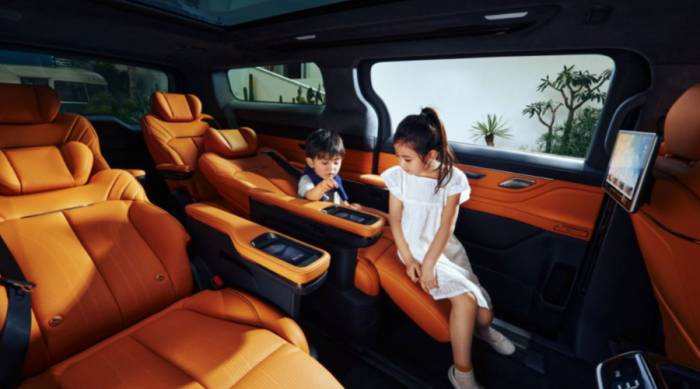
In the world of multi-purpose vehicles (MPVs), one name has echoed for over two decades as the final word in premium people-moving: the Buick GL8. The phrase "always imitated, never surpassed" isn't just marketing fluff for this van. It's a market reality. From corporate fleets in Shanghai to family road trips in California, the GL8 defined a segment and then spent years watching competitors try to catch up. They copy the sliding doors, they mimic the captain's chairs, they even try to replicate the quiet ride. But they consistently miss the mark. Why? Because building a benchmark isn't about checking features off a list. It's about a holistic understanding of space, comfort, and purpose that the GL8 mastered long ago.
Navigate the GL8 Legend
The Foundation of a Legend: More Than Just a Van
Launched in 1999, the GL8 didn't enter an empty market. It entered a market that didn't know it needed what the GL8 offered. Before it, large vehicles were either utilitarian vans or truck-based SUVs. The GL8, based on a GM minivan platform but thoroughly re-engineered, proposed a third way: a dedicated, car-like luxury transporter.
Its first masterstroke was targeting the business class. Literally. Airlines had perfected the art of transporting people in comfort for hours. Buick looked at that and asked, why can't a road vehicle do the same? The second-row "captain's chairs" weren't an afterthought; they were the main event. Legroom was measured not in inches, but in the ability to fully recline. Sound insulation was tuned not to just reduce noise, but to create a library-quiet cabin conducive to work or rest. This focus created a vehicle that became the default choice for airport transfers, corporate shuttles, and government officials. Its reputation for unflappable reliability, as noted in long-term surveys from sources like J.D. Power, cemented its status as a tool, not just a vehicle.
The genius was in understanding the dual-use case. On weekdays, it ferried executives. On weekends, the same cavernous interior and smooth ride made it the ultimate family hauler. This flexibility created a cultural footprint in China that no competitor has matched. It became a symbol of arrived success and pragmatic luxury.
The Anatomy of "Unmatched": Where Competitors Falter
So, what exactly do imitators fail to copy? It's rarely the big, flashy items. It's the synthesis of a hundred small details.
Here's the subtle mistake most competitors make: they design the third row as an obligation, not an opportunity. The GL8's third row is a proper seat, with adult-sized dimensions, adjustable recline, and its own climate vents. Imitators often sacrifice this for a more dramatic second row or styling, creating a vehicle that comfortably seats six, not seven or eight. The GL8 never forgot its core job: moving people, all of them.
Proportions and Packaging
The GL8's exterior dimensions are a careful negotiation. It's large enough for a massive interior but engineered to retain car-like driving dynamics (for a van). The hood is short, the cabin is long. This front-wheel-drive, transverse-engine layout maximizes passenger space. Many newer entrants, especially those based on SUV platforms, struggle with this packaging efficiency. They have longer hoods, higher floors, and consequently, less usable room inside the same footprint.
The Quiet Ride Alchemy
Buick's "QuietTuning" is more than a buzzword on the GL8. It's a systemic approach: laminated acoustic glass, triple door seals, liquid-filled engine mounts, and strategic sound-deadening materials throughout the structure. You can find reviews from Edmunds' long-term test fleet that consistently praise this trait. A competitor might add thick glass, but miss the harmonic cancellation from the mounts. The result is a cabin where conversations flow easily at highway speeds—a critical feature for its business clientele.
Ergonomics of Entry and Exit
Watch a family load into a GL8. The sliding doors open wide, the step-in height is low, and the B-pillar is positioned so it doesn't get in the way. The second-row seats slide far forward for third-row access without requiring acrobatics. These motions were studied and refined over generations. Newer models often have flashier, powered sliding doors, but the fundamental geometry of entry isn't as effortless.
GL8 vs. The Pretenders: A 2024 Reality Check
Let's get concrete. In today's market, who's trying to dethrone the king, and where do they fall short? This isn't about bashing competitors; it's about highlighting the GL8's persistent advantages in key areas that matter to buyers.
| Model & Segment | Claim to Fame | Where It Stumbles vs. the GL8 | The GL8's Counter |
|---|---|---|---|
| Toyota Sienna (Hybrid MPV) | Fuel efficiency, reliability. | Noisier 4-cylinder engine under load, less premium interior materials, third-row comfort is a clear step down. | A more refined, powerful V6, a cabin focused on luxury and silence, consistent comfort across all rows. |
| Chrysler Pacifica (Family MPV) | Stow 'n Go seats, tech features. | >Perceived build quality/reliability concerns (per Consumer Reports data), ride can feel less settled, cabin materials feel more utilitarian. | A reputation for bulletproof durability in fleet service, a more composed and quiet highway ride, an interior that feels built for corporate use. |
| Lexus LM (Ultra-Luxury MPV) | Extreme second-row luxury, brand prestige. | Astronomical price, often a 4-seater configuration sacrificing utility, driving dynamics are ponderous. | Offers 90% of the luxury for half the price (or less), retains 7/8-seat practicality, is easier to drive and park daily. |
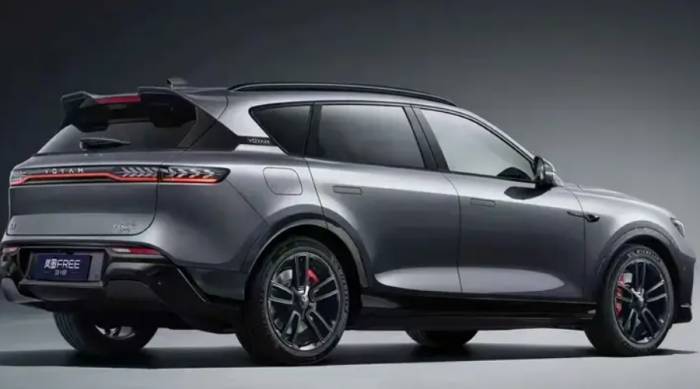
| Various Chinese EV MPVs (e.g., Zeekr 009) | Cutting-edge tech, instant EV torque, radical design. | Unproven long-term reliability, often prioritize form over function (e.g., less headroom for dramatic rooflines), charging logistics for long trips. | A proven, serviceable platform available everywhere. A known quantity with a vast parts and service network. A design optimized purely for space. |
The table shows a pattern. Competitors often excel in one or two areas—hybrid tech, flashy seats, EV power—but compromise on the complete, balanced package. The GL8's strength is its lack of a critical weakness for its intended roles.
Buying a Benchmark: Is a GL8 Right for You Now?
Let's be real. The GL8 isn't perfect for everyone. Its styling is conservative, some infotainment elements feel dated compared to flashy new screens, and in markets outside China, availability of the latest model can be tricky.
But if your priorities are ranked in this order, it's still in a league of its own:
- Passenger Comfort as #1: You need to transport adults in the second AND third rows regularly, in genuine comfort for journeys over an hour.
- Serenity is Non-Negotiable: A quiet cabin is essential for business calls, sleeping children, or just preserving sanity on long trips.
- Durability Over Dialectrics: You value proven mechanical reliability and a robust build over the latest gimmicky touchscreen or ambient lighting patterns.
- Dual-Purpose Flexibility: The vehicle must seamlessly switch between professional/formal duties and family hauling without compromise.
If you're looking for the sportiest drive, the best fuel economy, or the most futuristic interior, look elsewhere. The GL8 knows what it is.
Is the GL8 Future-Proof? The Electric Question
This is the biggest challenge to the "never surpassed" mantra. The automotive world is charging headlong into electrification. The GL8, in its current gasoline-powered form, faces a new kind of competitor not from traditional brands, but from native EV startups designing MPVs from a clean sheet.
Buick is not asleep. The unveiling of the Buick GL8 Century EV concept is a direct answer. It promises to translate the core tenets—space, comfort, quietness—into an electric vehicle. The electric platform offers new opportunities: an even flatter floor for more interior space, near-silent operation, and potentially even more refined power delivery.
The real test will be execution.
Can an electric GL8 maintain the packaging magic that gives it more interior space than an SUV of similar length? Can it achieve or beat the legendary cabin quietness without a rumbling V6 to mask other noises? Most importantly, can it build the same reputation for unshakable reliability in a new, complex powertrain? If anyone can, it's the team that has been perfecting the formula for 25 years. But the hill to climb is steep, and the electric pretenders are starting halfway up.