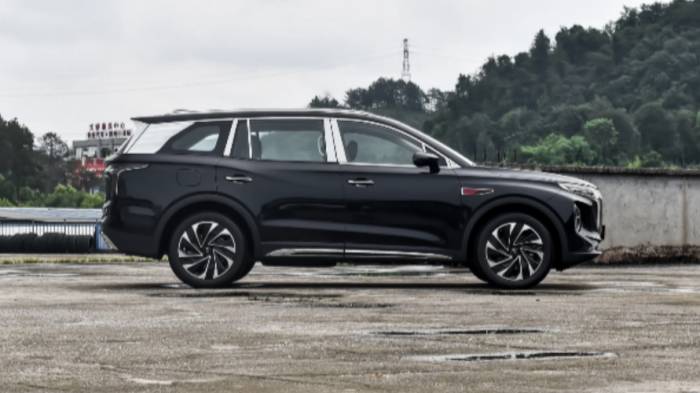
Let's cut to the chase. If you're asking "Is BAIC a Jeep?", the short, direct answer is no, BAIC is not Jeep. BAIC (Beijing Automotive Industry Holding Co., Ltd.) is a major Chinese state-owned automobile manufacturer. Jeep is an American brand, now part of the multinational Stellantis group, legendary for its 4x4 vehicles.
But if the answer were that simple, you wouldn't be here digging for more. The confusion is real, and it stems from a specific, important slice of automotive history. For a period, these two very different companies were partners. That partnership left a lasting imprint, especially in the Chinese market, creating vehicles that look familiar but are fundamentally distinct. This isn't just about logos; it's about understanding what you're actually buying, its heritage, its capabilities, and where you can get it serviced.
I've been writing about the auto industry for over a decade, and the BAIC-Jeep question pops up constantly in forums and buyer's guides. The standard answer often misses the nuance that matters to a potential buyer. So, let's go beyond the basic "no" and explore the why behind the confusion, the what that came from their partnership, and the how to tell them apart today.
What You'll Find Inside
The History That Ties BAIC and Jeep Together
This is where the plot thickens. The confusion isn't random; it's baked into a joint venture that lasted for decades.
In 1983, American Motors Corporation (AMC), which owned Jeep at the time, signed a landmark agreement with Beijing Automotive Works (a predecessor of BAIC). This created Beijing Jeep Corporation, one of China's first modern automotive joint ventures. The goal was to manufacture Jeeps for the Chinese market.
Their most famous product was the Jeep Cherokee (XJ), built locally. For years, if you bought a Cherokee in China, it came from this BAIC joint venture. This established a powerful association in the public's mind: Jeep = BAIC.
Things shifted in the late 2000s. Chrysler (which had absorbed Jeep) restructured its global partnerships. The old joint venture was dissolved. BAIC and Chrysler formed a new, different entity called "BAIC Foton" for commercial vehicles, but the direct Jeep production under the BAIC umbrella ended.
However, BAIC retained the rights to certain platforms and designs. This is the critical point most summaries gloss over. BAIC didn't just walk away empty-handed. They took the knowledge and tooling for vehicles like the Cherokee XJ and evolved them into their own branded products. This is why the BAIC BJ40 looks strikingly similar to a classic Jeep Wrangler (TJ/LJ), and older BAIC SUVs had a undeniable Cherokee vibe. It was a legal, licensed evolution, not a copy.
BAIC vs. Jeep: The Key Differences That Matter
Today, they are completely separate entities. Here’s a breakdown that goes deeper than the corporate structure.
| Feature | BAIC (Beijing Automotive) | Jeep (Stellantis) |
|---|---|---|
| Origin & Ownership | Chinese state-owned enterprise. | American brand, owned by the Dutch-based multinational Stellantis. |
| Primary Market Focus | Overwhelmingly China and a few emerging markets. | Global (North America, Europe, South America, Asia-Pacific). |
| Brand Heritage & Image | Seen as a value-for-money, practical Chinese brand; off-road image tied to its Jeep-derived models. | "Go Anywhere" 4x4 legend with 80+ years of history; a cultural icon (e.g., "Jeep Wave"). |
| Technology & Platforms | Uses its own and older licensed platforms. Focus on cost-effective engineering. | Uses global Stellantis platforms (e.g., Giorgio for Alfa Romeo/Stelvio). Invests in advanced 4x4 systems like Selec-Terrain. |
| Product Line-Up | BAIC BJ40 (Wrangler-like), BJ80 (G-Class-like), plus sedans, EVs, and commercial vehicles. | Wrangler, Grand Cherokee, Cherokee, Compass, Renegade, Wagoneer. |
| Where to Buy/Service (e.g., in USA) | Not officially sold or serviced. Parts are scarce. | Nationwide dealer network with dedicated service centers. |
The table tells a clear story, but let's zoom in on a real-world implication: parts and service. If you're outside China and own a BAIC BJ40, you're on your own. There's no official support network. A Jeep Wrangler, in contrast, has a massive aftermarket and dealer support globally. This single point makes them worlds apart for an owner.
Design Language: Inspiration vs. Evolution
Look at a BAIC BJ80 and a Mercedes G-Class. The resemblance is uncanny. The BJ40 and the classic Wrangler? Same story. This is where BAIC's strategy becomes clear. They've leveraged familiar, proven off-road design cues to quickly establish credibility in the SUV segment. Jeep's design, while also iconic (seven-slot grille, round headlights), is its own authentic lineage. The new Wagoneer or Grand Cherokee L don't look like anything else on the road.
Why People Still Get Them Confused
Even with the history lesson, the mix-up persists. Here’s why:
Visual Similarity: This is the biggest reason. The BAIC BJ40 is a dead ringer for a previous-generation Jeep Wrangler. To the untrained eye, it is a Jeep. Online images and videos from China reinforce this.
Naming & Badging Legacy: In China, for years, vehicles literally had "Beijing-Jeep" badges. That brand memory lasts. Even now, BAIC uses a grille design on some models that evokes the Jeep slots.
Market Overlap (in China): In the Chinese market, both brands sell rugged SUVs. A buyer might cross-shop a BAIC BJ40 against a Jeep Renegade or Compass, seeing them as competitors in the same space, further blurring the lines.
Online Misinformation: Poorly researched articles or forum posts that state "BAIC makes Jeeps" without context continue to spread the confusion.
Buying Advice: Which One Is For You?
This depends entirely on where you live and what you want.
If you live in North America, Europe, or most markets outside Asia:
Your choice is effectively made for you. You cannot walk into a dealership and buy a new BAIC. It's not an option. Your rugged SUV choice is Jeep, or competitors like Toyota 4Runner, Land Rover, Ford Bronco. Focus your research there.
If you live in China or are importing a vehicle:
Now you have a real choice. Here’s the blunt breakdown:
- Choose BAIC (like the BJ40) if your priority is lower cost and you value the classic off-road look for less money. You're comfortable with a brand focused on the domestic market. Understand that long-term reliability and refinement might not match global leaders.
- Choose Jeep if you want the global brand cachet, access to the latest global technology and safety features, and a vehicle with proven resale value worldwide. You're also buying into a much larger ecosystem of accessories and community support.
I've driven both. The Jeep Wrangler feels more solid, the interior materials are better, and the powertrain is smoother. The BAIC BJ40 gets the job done off-road, but it feels more utilitarian, noisier, and the interior is a reminder of where the cost savings were made. It's not bad, it's just different.
Your Questions, Clearly Answered
So, is BAIC a Jeep? No. But are they connected by a fascinating piece of auto industry history that still echoes in showrooms and on roads today? Absolutely. Understanding that distinction—between a past partnership and present independence—is the key to making a smart purchase and ending the confusion for good.