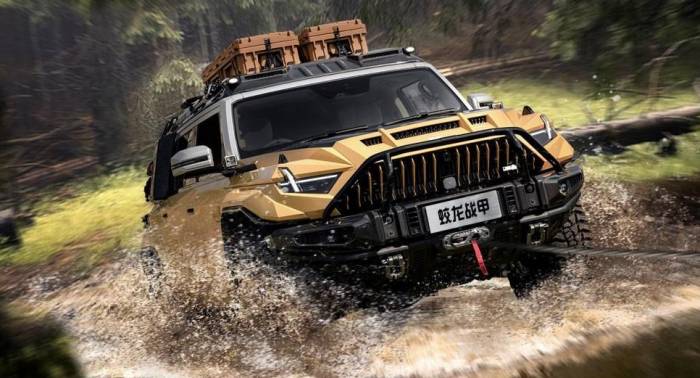
Let's cut to the chase. You bought a Tank 500 because it's a capable rig straight from the factory. The 3.0L twin-turbo V6, solid rear axle, and decent ground clearance promise adventure. But stock capability only gets you so far before you hear that dreaded scrape on a rock or find your wheels spinning helplessly in mud. That's where the right Tank 500 off-road accessories come in. They're not just about looks; they're about transforming potential into proven, reliable performance where the pavement ends.
I've spent years modifying 4x4s, and the biggest mistake I see is people buying parts based on Instagram trends, not their actual needs. This guide is different. We're going to talk about what works, what's overhyped, and how to build a Tank 500 that matches your type of adventure, whether it's rocky trails, sandy dunes, or multi-day overlanding trips.
Your Quick Navigation Guide
How to Choose the Right Off-Road Accessories for Your Tank 500
Before you click "add to cart" on a shiny new winch, stop. Throwing parts at your truck is expensive and often counterproductive. The key is a strategy.
Start with your terrain. Are you crawling over granite in Moab or exploring forest service roads? Muddy East Coast trails require different gear than the sharp volcanic rock of the Southwest. For rock crawling, underbody protection is non-negotiable. For sand, tire pressure management and recovery boards are your first buys.
Budget realistically. A quality winch from Warn or Comeup will set you back $800-$1500. A full set of steel skid plates? Another $1000-$2000. It adds up fast. I recommend a tiered approach: Tier 1 is protection and recovery (skid plates, tires, basic recovery gear). Tier 2 is capability enhancement (lift, lockers, winch). Tier 3 is comfort and expedition gear (roof rack, fridge, dual battery).
Consider the weight. The Tank 500 isn't a light vehicle. Adding hundreds of pounds of steel bumpers, a roof-top tent, and a full rack will absolutely affect handling, braking, and fuel economy. Sometimes, a lighter aluminum alternative is worth the extra cost.
DIY or Professional Install? Some mods are straightforward. Mud flaps, basic lighting, maybe even a leveling kit if you're mechanically inclined. Others, like a suspension lift or welding on new bumper mounts, are best left to shops with a proven track record. A botched install can be dangerous.
A common pitfall I see: People buy the biggest, most aggressive tires first. Without matching lift or adjusting the speedometer, they rub at full lock and throw off their gear ratios. Tires should be part of a coordinated plan, not the first impulsive purchase.
What Are the Best Tank 500 Off-Road Accessories on the Market?
Based on function, reliability, and community feedback, here's a breakdown of the most impactful upgrades. I've included a mix of well-known brands and some specialized manufacturers that cater to the Tank platform.
| Category | Key Accessory | What It Does & Why It Matters | Estimated Cost (USD) | DIY Difficulty |
|---|---|---|---|---|
| Protection | Full Skid Plate System (Engine, Transmission, Fuel Tank) | Shields critical components from rocks and debris. The factory plastic covers are for aerodynamics, not impact. This is your #1 priority for technical terrain. | $1,200 - $2,500 | Medium-High (requires jacking up the vehicle) |
| Protection | Rock Sliders / Side Steps | Protects the vulnerable rocker panels and door sills from impacts. Proper sliders bolt or weld to the frame, not just the body. They can also serve as a step. | $600 - $1,500 | Medium-High |
| Traction & Recovery | Off-Road Tires (All-Terrain or Mud-Terrain) | The single biggest upgrade for traction. Brands like BFGoodrich KO2, Toyo Open Country, or Nitto Ridge Grappler are popular choices. Size wisely (e.g., 265/65R18 or 275/70R17 with minor mods). | $1,000 - $1,800 (set of 4) | Low (tire shop job) |
| Traction & Recovery | Winch (Synthetic Rope) & Winch Mount | Your ultimate self-recovery tool. A 10,000-12,000 lb capacity is ideal. Synthetic rope is lighter and safer than steel cable. You'll need a compatible front bumper or hidden mount. | $800 - $2,000 (winch + mount) | High |
| Lighting | LED Light Bar & Pods | Dramatically improves night-time visibility on trails. A combo light bar (driving beam) and ditch lights (wide flood) is effective. Ensure they are properly aimed to avoid blinding others. | $300 - $1,000 | Low-Medium (wiring is key) |
| Storage & Living | Roof Rack System | Frees up interior space by carrying recovery gear, fuel cans, or a roof-top tent. Look for low-profile, low-wind-noise designs from brands like Front Runner or Prinsu. | $800 - $1,500 |
Beyond the table, let's talk about two often-overlooked but crucial upgrades.
Air Compressor and Tire Deflation System
You'll be airing down your tires for sand and rock crawling (down to 18-25 PSI). Airing back up at the end of the trail is a chore without a good compressor. A portable unit like an ARB Twin or Viair 400P is a game-changer. Pair it with a set of deflation tools (like the Staun deflators) to make the process quick.
Upgraded Suspension (Lift Kit)
A 2-inch lift does more than just allow for bigger tires. It improves approach, breakover, and departure angles. More importantly, a quality coilover kit from a brand like Old Man Emu or Fox transforms the on and off-road ride, controlling body roll and absorbing bumps better than the stock setup. Don't just get spacer lifts; invest in a full shock and spring upgrade.
I made the mistake of cheaping out on my first lift kit for another truck. The ride was harsh, and it wore out ball joints prematurely. For the Tank 500's weight, don't skip on quality here.
Practical Guide to Installing Your Tank 500 Upgrades
You've got the parts. Now what? Here's the real-world advice you won't find in most instruction manuals.
Gather the right tools. This seems obvious, but you need more than a basic socket set. Torque wrenches (ft-lb and in-lb), breaker bars, trim removal tools, and a good set of Torx bits are essential. For cutting plastic bumpers for a winch mount, a Dremel is far more precise than a sawzall.
Follow the torque specs. This isn't a suggestion. Overtorquing suspension bolts can lead to catastrophic failure. Undertorquing can cause parts to come loose. Find a reliable workshop manual or forum for the correct values.
Wire with care. For any electrical accessory (lights, compressor, winch solenoid), use a relay. Connect directly to the battery with an appropriate fuse as close to the terminal as possible. Use marine-grade heat-shrink connectors, not electrical tape. Route wires away from hot or moving parts, and use conduit in high-abrasion areas. A sloppy wiring job is the leading cause of electrical gremlins.
Test before you commit. Before you drill permanent holes for a light bar bracket or antenna mount, use painter's tape to mark the position. Sit in the driver's seat. Does it block your view? Get a second opinion.
My personal rule: Budget twice the time you think you'll need for any install. That first skid plate took me an entire Saturday, mostly fighting with one rusted bolt. Have penetrating oil (like PB Blaster) on hand.
Tank 500 Off-Road Mods: Expert Answers to Your Tough Questions
The journey of building your ultimate off-road Tank 500 is part of the adventure. It's about learning, getting your hands dirty, and creating a vehicle that's uniquely capable for your goals. Start with protection, master recovery, then build for comfort. Do your research, buy quality once, and you'll have a rig that's ready for whatever the trail throws at you.