Let's cut to the chase. When you hear "Buick," what comes to mind? For many, it's an image of a comfortable, quiet sedan favored by a previous generation. That's not wrong, but it's a fraction of the story. The Buick company, officially part of General Motors, is America's oldest active automotive marque. Today, it's executing a deliberate pivot, shedding its old skin to become a purveyor of premium SUVs and a serious contender in the electric vehicle space, especially in its most crucial market: China. This isn't just a history lesson; it's a look at a brand in the middle of a high-stakes transformation. If you're considering a Buick, wondering about their electric future, or just curious about this American icon, you're in the right place.
What's Inside This Guide
The Rich History of Buick: From Founding to Global Brand
David Dunbar Buick founded the Buick Motor Company in 1903. That's before Ford Model T. Let that sink in. The company's real breakthrough came with engineer Walter Marr and, famously, William C. "Billy" Durant. Durant used Buick's success as the foundation to create General Motors in 1908. For decades, Buick sat comfortably in the middle of GM's hierarchy—above Chevrolet and Pontiac, but below Cadillac. It was the car for doctors, professors, and successful business people who wanted comfort and quiet refinement without the ostentation of a Cadillac.
This "premium but not luxury" positioning served it well in America for much of the 20th century. Models like the Roadmaster and the Skylark became icons. But the brand's trajectory took a fascinating turn in the late 1990s. As its U.S. buyer base aged, Buick discovered an unexpected fountain of youth: China.
The 2008 financial crisis forced GM to streamline. Pontiac and Saturn were axed, but Buick survived. Why? Look at the balance sheets from China. That global footprint saved the brand and gave it a second act.
Buick's Current Lineup: SUVs, Crossovers, and a Glimpse of Luxury
Walk into a Buick dealership in the U.S. today, and you won't find a single sedan. The Regal and LaCrosse are gone. The entire showroom is now an SUV and crossover portfolio, reflecting market demands. It's a clean, focused strategy, but it means your choice hinges entirely on what size and flavor of utility vehicle you need.
Here’s a breakdown of the core models you can actually buy, with real-world context.
| Model | Type / Segment | Starting Price (MSRP) | Key Features / Target Buyer |
|---|---|---|---|
| Buick Encore GX | Subcompact Crossover | ~$25,000 | The entry point. Surprisingly upscale interior for the price. FWD standard, AWD available. Perfect for city dwellers or as a first new car. It's not the most powerful, but it's efficient and easy to park. |
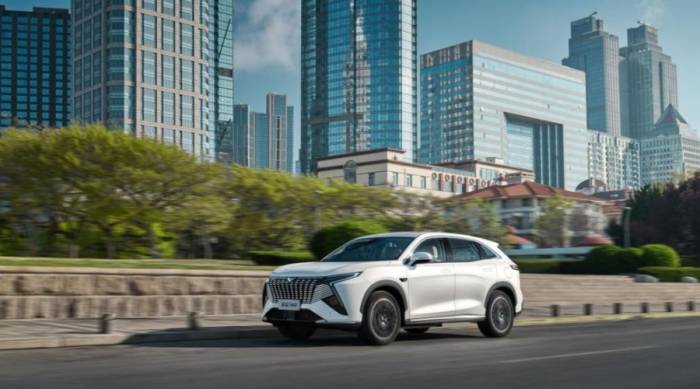
| Buick Envision | Compact Luxury Crossover | ~$35,000 | Buick's sweet spot. Sits between mainstream and true luxury (like Acura RDX, Lexus NX). The Avenir trim adds genuine premium materials. Often praised for its quiet ride and balanced handling. This is the model that makes the strongest case for Buick's current "premium" claim. |
| Buick Enclave | Full-Size Three-Row SUV | ~$45,000 | The family hauler. Spacious, comfortable, and loaded with tech in higher trims. Competes with the Chevrolet Traverse (its platform sibling) but aims for a quieter, more refined experience. The Avenir model is essentially Buick's flagship. |
| Buick Electra E5 (China) | All-Electric Midsize SUV | N/A (China-market) | The first fruit of the Ultium platform for Buick. Represents the design and tech direction for global EVs. Features a massive 30-inch curved display. Its success in China is a blueprint for future North American EVs. |
A common mistake is to compare a base Encore GX directly to a loaded Toyota RAV4. You'll be disappointed in power and space. The Buick value proposition is different: sound insulation, interior comfort, and available features at a slightly more accessible price than a Lexus. It's about the experience of driving, not the spec sheet.
My neighbor, a retired engineer, recently traded his old LeSabre for an Envision Avenir. His reasoning? "I wanted something quiet, comfortable, and built solid. I test-drove the Lexus, but for the same money, the Buick had more features I actually wanted, like the ventilated seats and the better sound system. It just felt more substantial on the highway." That's the niche.
How Buick is Positioning Itself for the Future: Electrification and Beyond
Buick isn't just ditching sedans; it's planning to ditch gasoline entirely. The company has announced it will transition to an all-electric portfolio in North America by 2030. This is a massive bet, and the strategy is clear: leverage GM's Ultium battery platform and win over buyers who are curious about EVs but wary of Tesla's minimalist ethos or the high cost of other luxury EVs.
What is Buick's Electra EV Lineup?
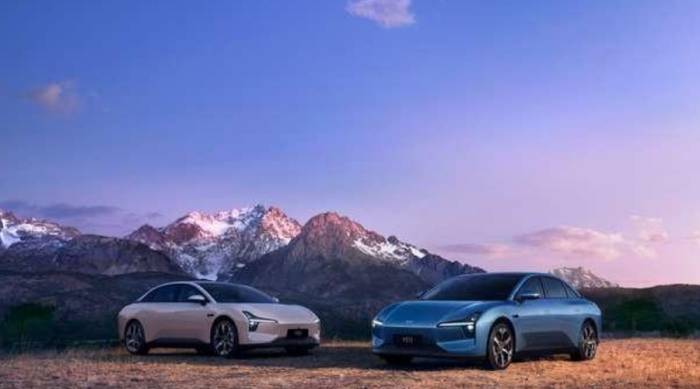
The "Electra" name, resurrected from the 1960s, is now Buick's EV sub-brand. The first model, the Electra E5, is already on sale in China. The design language—called "PURE Design"—is a radical departure. It's cleaner, with sleek lighting signatures and minimalist surfaces. The interiors are dominated by large, curved screens, moving firmly into the digital age.
The plan is to introduce multiple Electra models in the U.S., likely starting with an SUV similar to the E5. The goal isn't to be the fastest or the longest-range EV on the market. It's to be the most comfortable and accessible premium EV. Think Super Cruise hands-free driving on mapped highways, exceptional cabin quietness (easier to achieve in an EV), and a price point that undercuts BMW iX or Mercedes EQS SUV by a significant margin.
- Quiet Tuning Expertise: Buick's historical strength in noise isolation translates perfectly to EVs, where motor whine and road noise become more apparent.
- Established Dealer Network: Unlike Rivian or Lucid, you can get it serviced almost anywhere.
- GM's Ultium Scale: Access to proven battery and motor technology should aid reliability and cost control.
- Brand Perception: Convincing younger EV buyers to consider Buick over Tesla, Ford Mustang Mach-E, or Hyundai Ioniq 5 is a monumental marketing task.
- Design Risk: The new PURE Design is a clean break, but will it attract or alienate the traditional comfort-seeking buyer?
- Charging Infrastructure: Relying on the broader GM/third-party network, not a proprietary super-fast system like Tesla's.
How to Choose the Right Buick Model for Your Needs
Forget browsing by horsepower. Choosing a Buick is about matching its personality to your lifestyle. Here’s a different way to think about it.
You're a good fit for a Buick if your priorities are: A serene highway ride, a cabin that feels insulated from the world, intuitive technology (their infotainment is generally user-friendly), and getting more premium materials for your dollar than a mainstream brand offers.
Look elsewhere if your priorities are: Sporty handling, the most cargo space in class, cutting-edge hybrid powertrains (for now), or the badge prestige of a German luxury marque.
Decision Framework:
- Solo or Couple, Urban Focus: Encore GX. It's efficient, maneuverable, and the interior won't feel cheap.
- Small Family or Daily Commuter Seeking Comfort: Envision (especially Avenir trim). This is Buick's core competency. Test drive this back-to-back with an Acura RDX. The Acura might be sportier, but the Buick will be quieter.
- Large Family Needing Space: Enclave. Compare it to the Chevrolet Traverse and the Honda Pilot. The Traverse offers more raw space for less money; the Pilot is more utilitarian. The Enclave is for the family that values a calmer, more refined road trip experience.
- EV Early Adopter, Value-Focused: Wait for the Electra models. Keep an eye on announcements. The value proposition will likely be compelling if the China-market pricing is any indicator.
One piece of practical advice: Always test drive on the highway. Buick's QuietTuning technology—layers of acoustic glass, sound-deadening materials, and active noise cancellation—is its secret weapon. You won't appreciate it crawling through city streets. Get it up to 70 mph. That's where the brand's character shines, or doesn't, for you.
Common Questions About Buick Answered
So, what's the final word on the Buick company? It's a brand with a fascinating past and a future that's being written right now, largely in China. It's not trying to be BMW. It's trying to own a specific slice of the market: premium comfort, accessible technology, and soon, electric mobility, all delivered without pretense. Whether that's enough to thrive in the cutthroat EV era remains to be seen, but dismissing Buick as a relic is a mistake. They're playing a long game, and they have the resources and a proven playbook from overseas to do it.