Let's cut through the noise. The electric vehicle market is crowded, with new names popping up every quarter. When AITO, backed by Huawei's deep tech arsenal, entered the scene, many dismissed it as just another Chinese EV startup. I've spent time with their vehicles, from the M5 to the flagship M9, and talked to engineers familiar with the project. The reality is more nuanced. AITO isn't trying to be Tesla. It's carving out a specific niche: the tech-savvy family's premium smart SUV, where the software experience is promised to be as refined as the hardware. But does it deliver, or is it just a Huawei phone on wheels?
What's Inside This Guide?
What Exactly is AITO by Huawei?
This is the first point of confusion, and it matters. AITO is not a Huawei car. Huawei repeatedly states it does not manufacture cars. AITO is a brand owned by Seres (formerly SF Motors), a Chinese automotive manufacturer. Huawei's role is that of a deep technology partner. Think of it like Google providing Android to Samsung phones, but much deeper. Huawei supplies the core intelligent systems: the HarmonyOS-powered smart cockpit, the advanced driver-assistance system (Huawei ADS), the electric drive systems, and the sales channel through its massive retail stores.
This partnership model is unique. It allows Seres to focus on vehicle manufacturing and quality control (leveraging experience from a past partnership with... let's just say an American EV giant), while Huawei injects its consumer electronics DNA into the car's "brain" and "nervous system." The goal is to create a seamless experience from your Huawei phone, watch, and laptop to your car. Whether that's a gimmick or a genuine productivity boost depends entirely on your existing tech ecosystem.
The AITO Model Lineup: M5, M7, and M9 Compared
Choosing the right AITO model boils down to size, budget, and how much of Huawei's top-tier tech you want. Don't just look at the price tag; look at what's included in the ADAS package.
| Model | Key Positioning | Powertrain | Range (CLTC*) | Starting Price (Approx.) | Best For |
|---|---|---|---|---|---|
| AITO M5 | Sporty Compact SUV | EREV / BEV | Up to 1,425 km (EREV) | $35,000 - $45,000 | Young professionals, small families wanting style & tech. |
| AITO M7 | Family 6-Seater SUV | EREV | Up to 1,300 km (EREV) | $40,000 - $52,000 | Larger families prioritizing space and comfort over sportiness. |
| AITO M9 | Flagship Luxury SUV | EREV / BEV | Up to 1,402 km (EREV) | $80,000+ | Tech executives, luxury seekers wanting the absolute best Huawei tech (projection screens, full ADS 2.0). |
*CLTC range is a Chinese testing standard. For real-world highway driving, a good rule of thumb is to reduce that figure by 20-25%.
Why the EREV Option is a Smart Hedge Against Range Anxiety
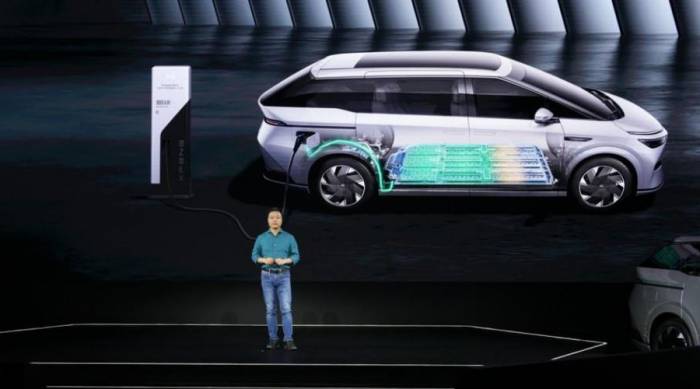
Most AITO models offer an EREV (Extended-Range Electric Vehicle) option. This is a plug-in hybrid where a small gasoline engine acts only as a generator to charge the battery. It never directly drives the wheels. Why does this matter?
For many potential EV buyers, especially in areas with spotty fast-charging networks, pure BEV anxiety is real. The EREV setup gives you a massive electric range (200+ km) for daily commutes, but the peace of mind that you can refuel in 5 minutes at any gas station on a road trip. It's not as elegant as a pure EV, but it's a pragmatic solution that has made models like the M7 hugely popular in China. It addresses the core user pain point of infrastructure uncertainty head-on.
The Huawei Tech Advantage: HarmonyOS & ADS
This is where AITO aims to differentiate. The hardware is good—solid build, comfortable seats, decent materials. But the software is the star.
The HarmonyOS Cockpit: It's fluid. Swiping between screens feels like using a high-end tablet. The voice assistant is shockingly good at natural language and handling multi-step commands (“Open the window 30%, find a Chinese restaurant nearby, and play some jazz”). The real magic for Huawei users is device interconnectivity. You can pick up a navigation route from your phone as you get in the car, or have a video call seamlessly transfer to the car's screen. However, if you're an iPhone user, you lose about 30% of this functionality. It's a walled garden, albeit a well-designed one.
Huawei ADS 2.0 (Advanced Driving System): This is Huawei's answer to Tesla Autopilot and Xpeng's XNGP. The top-tier version uses a lidar + camera + radar fusion system, not relying on pure vision like Tesla. The benefit? It's less confused by tricky lighting (tunnels, sunrise/sunset) and bad weather. In my experience on mapped highways, its lane-keeping and adaptive cruise are exceptionally smooth. The city NCA (Navigation-guided Cruise Assist) is the big sell—it can handle complex urban driving. But here's the expert nuance: its performance is highly dependent on geographic data and regulatory approval. It works brilliantly in Shenzhen. Its capabilities in Munich or San Francisco are a different story. Always check what features are actually enabled in your region.
Who Should (and Shouldn't) Buy an AITO
Based on the tech and the lineup, here’s a blunt assessment.
Consider an AITO if:
- You are already invested in the Huawei ecosystem (phone, laptop, watch).
- You want a premium family SUV where tech is the top priority.
- You live in a region where Huawei ADS features are fully certified and operational.
- Range anxiety is a major concern, making the EREV powertrain appealing.
Look elsewhere if:
- You are an Apple or Samsung loyalist. You'll miss key features.
- Driving dynamics and sporty handling are your primary focus (look at the Porsche Macan EV or BMW iX3).
- You need a widespread, brand-recognized service network in North America or Western Europe today.
- You're on a tight budget. The tech comes at a premium over more basic rivals.
The service point is critical. AITO uses Huawei's retail stores as showrooms, which is great for visibility. But for actual repairs and maintenance, you're reliant on Seres' service network, which is still expanding outside China. Research your local support before signing anything.
Your AITO Questions, Answered
So, where does that leave us? AITO by Huawei is a compelling proposition for a specific buyer: the tech-centric family seeking a comfortable, smart, and range-anxiety-free SUV. It's not the ultimate driver's car, and its value is maximized within Huawei's ecosystem. But in its focus on solving real-world EV adoption pain points through clever tech (EREV, superior cockpit integration), it shows a deep understanding of the modern consumer's needs. It's a brand to watch closely, not just for the cars, but for the tech-infused experience it's trying to sell.